In the Catholic Christian faith, Sacraments are particular, sacred moments of God’s presence, celebrated within a structure of prayer and worship. This doesn’t mean, however, that God’s presence is only in those moments. Rather, we are called to be people who live ‘sacramental lives’; who go from those designated moments of the Sacraments – nourished and graced – to live and share God’s presence in the course of our lives.
Learn more about the sacraments in the Catholic faith below:
BAPTISM
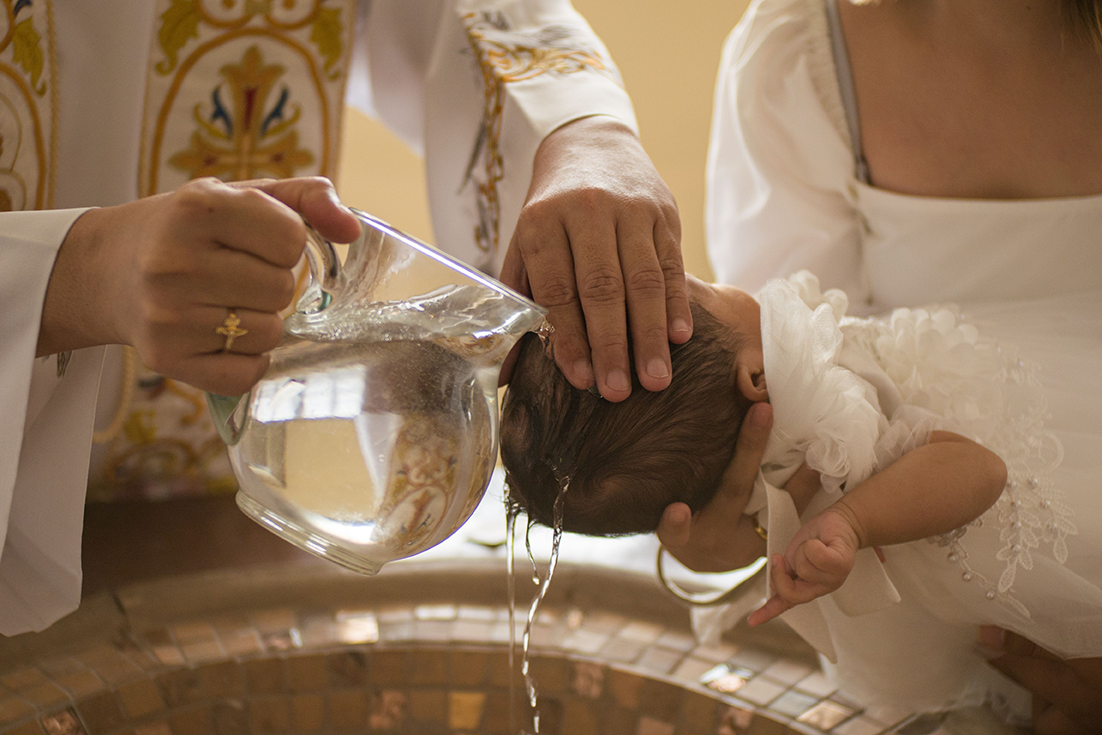
Baptism is sometimes referred to as the ‘doorway’ to the sacraments. It is the first sacrament and we believe it infuses the virtues of faith, hope and love into our very beings. Baptism is an enormous dignity that gives us an identity in the life and ministry of Jesus! Hence, along with the Eucharist and Confirmation, Baptism is a sacrament of initiation.
Should you wait? Most people have their children baptised as babies. Shouldn’t they wait until the children can decide? The Catholic faith believes that just as parents are responsible for making every decision for their beloved child’s wellbeing – decisions from what they eat to all the ways they’re cared for – so too, parents are being responsible to God and to their child’s wellbeing by raising their child in a vision of life and faith.
The grace of the sacrament: Right from their tiniest lives in the community of faith, time and time again, we see children picking up the vibes of God’s love and of their wider belonging in a cross-generational family of faith. We see Jesus honouring children in the Gospels and highlighting them as models capable of receiving God’s love. Millions of life stories since have shown the wisdom of giving children this gift of their initiation into the big story of God, which is their deepest identity. Millions of stories continue to show us that in the youngest of lives, the grace (God’s power) of baptism isn’t just nice words, but proves itself as a foundation of life, esteem, hope, belonging and purpose.
Older Baptism? Many people from other faith backgrounds or no particular faith come to a point of looking into Baptism and the sacramental life. Some are already baptised in another Christian background but are thinking of taking a step into the other Catholic Church Sacraments. If anything like this is your story, you’re most welcome. See the section below called Adult Catholic Faith Inquiry.
My child’s Baptism
- Contact the parish office on (02) 9631 8135. We can look at available dates and also a time to catch up for a preparation session/chat at the parish or online.
- Most children’s baptisms take place at midday on a Sunday – or sometimes during one of the Masses.
Download the form below:
RECONCILIATION
“For those whose sins you forgive, they are forgiven” said Jesus in the Gospel (John 20). What a remarkable dignity Jesus entrusted to humanity – via the Apostles – and continuing through the ministry of the Church. This sacrament of God’s presence – Reconciliation – ministers divine forgiveness and nurtures us to reconcile with ourselves, with each other, with our rightful place in God’s creation – and with God.
This sacrament is celebrated in the parish each week or by appointment with one of the priests too. It’s a sacrament for our healing and wholeness, celebrated repeatedly throughout the whole of the life journey.
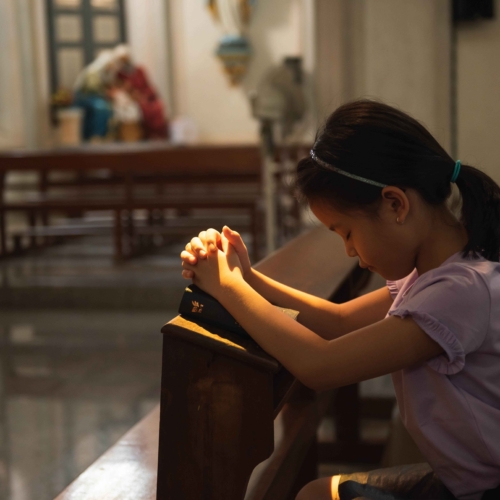
My child’s First Reconciliation
Enrolment in the preparation program is for children in Year 4 and up. First Reconciliation (also called Confession) is the first stage in preparing to receive First Holy Communion.
HOLY EUCHARIST
Some might be more familiar with the terms ‘Holy Communion’ or ‘The Mass’ for Eucharist. The word Eucharist is a Greek word from the earliest Church, meaning thanksgiving. The Eucharist is the central, sacred thanksgiving prayer that we celebrate in the community of faith. Among the various places in the New Testament where this thanksgiving meal among the faithful is mentioned, we hear the direct link to the Last Supper of Jesus, including Jesus’ request that we still pray today, to do this in remembrance of him.
During the Eucharist/Mass, we hear and reflect on the Sacred Scriptures and we gather around the table of the Lord to worship and receive his divine presence. We believe that Jesus is truly present in the Eucharist: a profound gift under the form of consecrated bread and wine. We come to the table in solidarity to worship and receive ‘The Body of Christ’ – which is divine presence, grace and nourishment – then we go back out, striving to BE the merciful, loving body of Christ for the world that we have received.

My child’s First Holy Communion
Enrolment in the preparation program is for children in Year 4 and up who have completed their First Reconciliation. This is the next step in preparing to receive the Eucharist.
CONFIRMATION
This is one of the three sacraments of initiation. Deeply connected to baptism, it’s like a fullness of the grace of the Holy Spirit being received. The celebration uses the ancient laying of hands and anointing with chrism oil on the head. People often take a confirmation name – the name of a saint whose life inspires him/her.
Like the other sacraments of initiation, there’s no age limit and when adults step up, it can be a remarkable moment of encouragement for the wider faith community – and a challenge too, for us to keep growing in life and faith, just as a newly confirmed adult has faithfully and freely chosen to do!
My child’s Confirmation
Enrolment in the preparation program is for children in Year 6 and up. Confirmation completes the sacraments of initiation and strengthens your child’s relationship with the Holy Spirit.
ANOINTING OF THE SICK
The Catechism of the Catholic Church (#1511) says: “The Church believes and confesses that among the seven sacraments there is one especially intended to strengthen those who are being tried by illness, the Anointing of the Sick.”
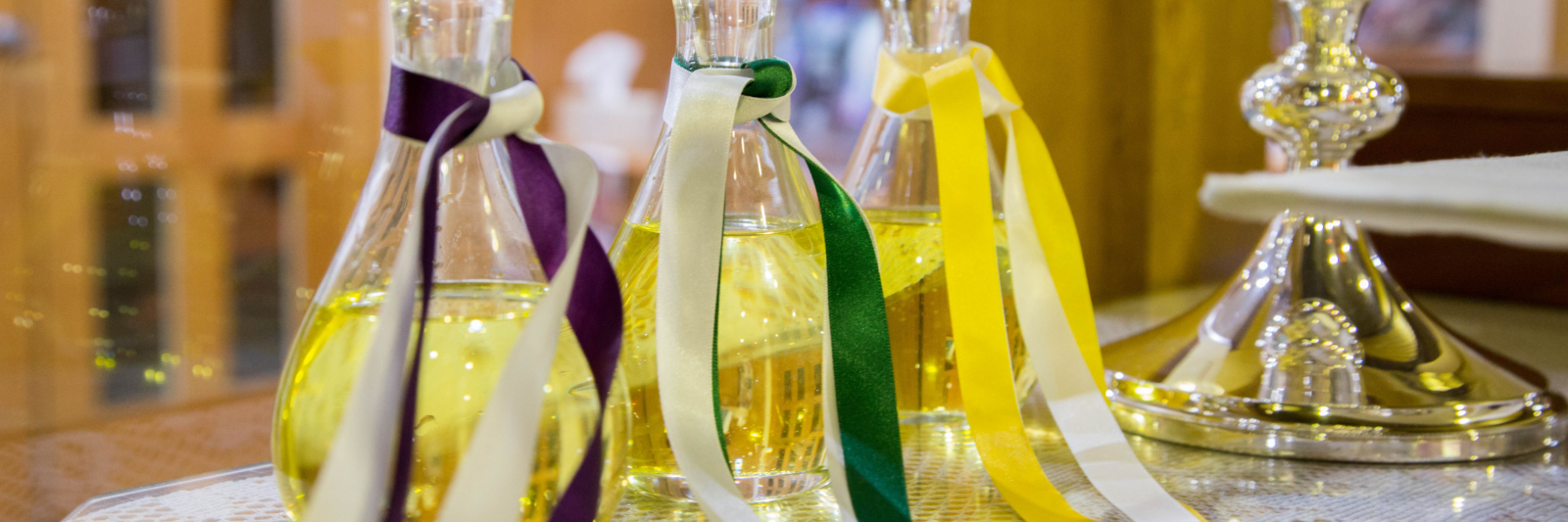
With inspiration from scripture and continuing from ancient Church practices of anointing the sick with blessed oil, this sacrament is administered by priests with oil that’s been blessed by their bishops. It is a prayerful practice that has offered grace and strength to many, many people in times of sickness or before serious surgery or when carrying the troubles of great frailty or of mental illness.
Anyone among the baptised in such suffering can seek this sacrament of anointing at different times through life, not only when closer to death.

If you or someone you know wishes to receive this Sacrament, please contact the Parish Office.
MARRIAGE AND LIFE VOCATIONS
People often identify ‘vocations’ with those in the ‘religious life’ (Nuns, Monks, Sisters, Brothers) or the priesthood. Indeed, those are particular vocations, but the word is from the Latin word ‘vocare’, meaning to call or summon – and the Catholic understanding is that ALL of us who are baptised have a vocation within God’s mission and call.
For many, their foundational vocation in which to grow in life, faith and purpose will be marriage; for others, it will be a relational single or communal life in various forms with various opportunities to live their purpose in God’s mission.
Oftentimes, people seek out their priest or another spiritual confidante to chat through their purpose, life options and choices. And what’s really important too is not only WHAT our particular vocation might be – but HOW we’re each being called to live our life and faith as part of God’s mission right now. This applies just as much, even if we’re aged 16, or widowed, or regrettably divorced, or have lived a vocation like marriage or priesthood for a very long time? In this sense, vocation is now, today, for each of us. God’s presence and love and power embraces us and works in and through us, today. Vocation is the call to life and mission – AND vocation is God’s call to receive God’s grace and be God’s grace in the world now!
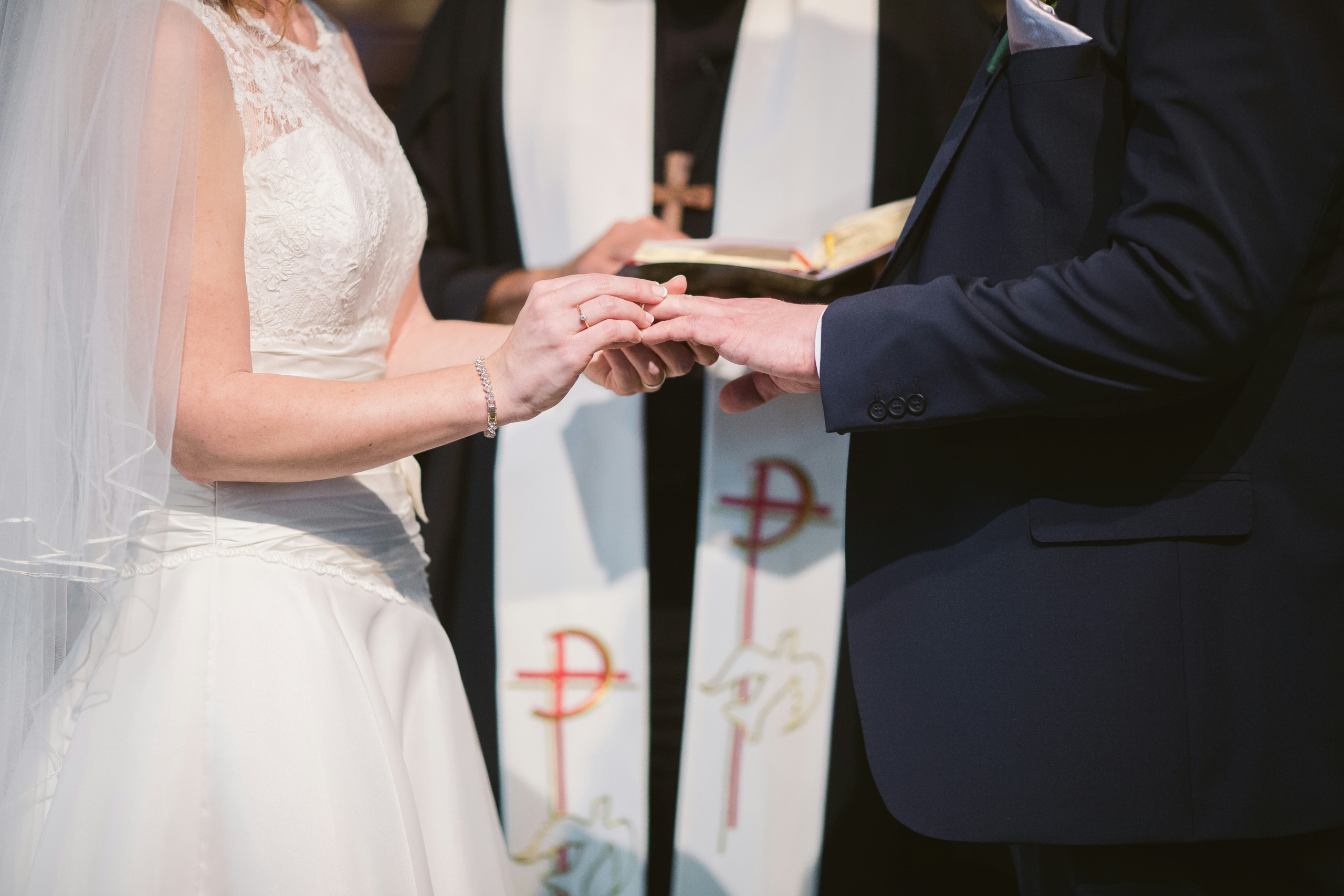
If you are considering getting married in the Church, we invite you to contact the Parish Office.
CATHOLIC FAITH INQUIRY FOR ADULTS
Many people are baptised when they are very young – but the timing of our faith life can also surprise us, as many adults have discovered when something prompts them to take a new or next faith step in teenage life or adulthood. For some, this might lead them to being baptised. For others, perhaps they were baptised in another Christian background and are now considering belonging to the universal Catholic Church.
Most often, we celebrate the sacraments of initiation for adults at Easter time after a period of supportive preparation. But there’s flexibility of how and when that can happen, according to each person’s story.
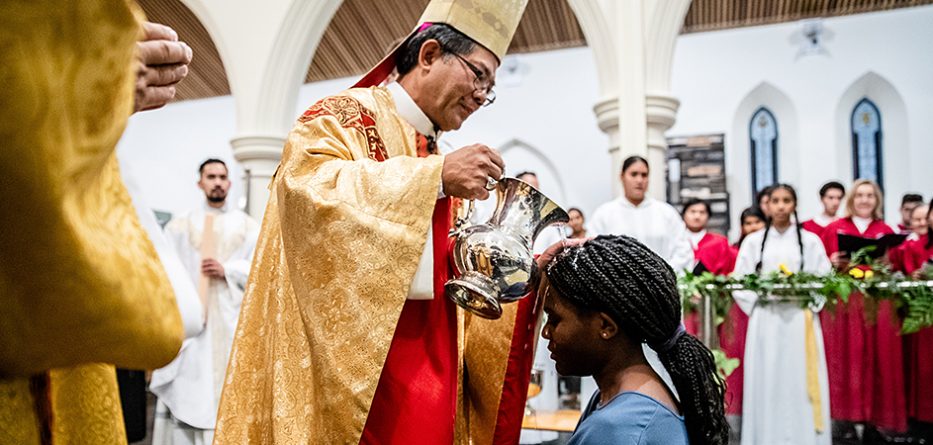
If you are interested in becoming Catholic or learning more about the Catholic faith, we invite you to contact the Parish Office.
FUNERALS
The cycle of life in the community includes regular gatherings in the sadness of people’s losses. We conduct many funerals at our parish, whether with a requiem Mass or with a service of readings and prayer.
Due to the pressures of what is a very large parish here, we most often have to redirect people who inquire for funerals of loved ones who are from outside this local area, or who have moved from here to another area. But that’s why the Church has parishes spread across every region, so that the people of each local area can be cared for.
When someone has a loss and wants to inquire about a funeral at our parish, they are welcome to be in touch through the parish office. Or sometimes it’s the funeral director they’ve chosen who makes the first contact with us. Either way, the task is then for us all to coordinate available times of the church, a priest, the funeral director and cemetery. And we’ll work out a time to meet with you and guide the planning of your very special occasion of the funeral.
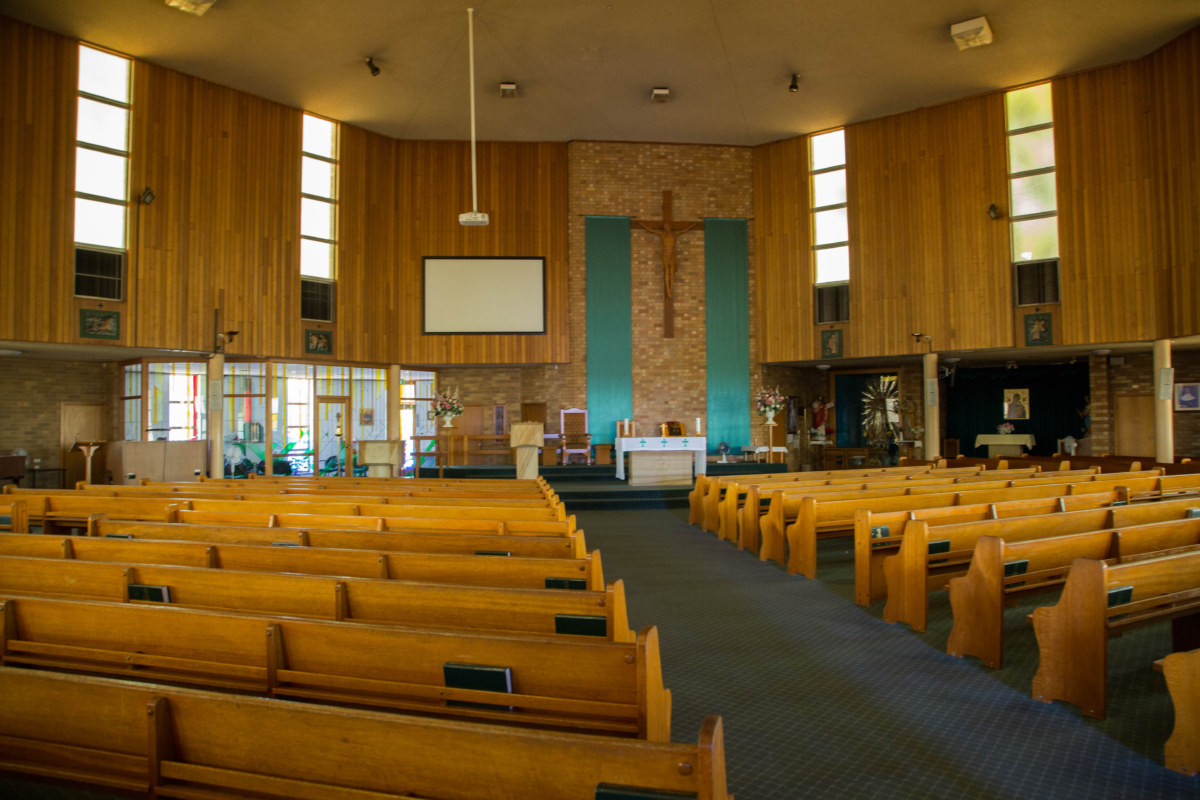
If you wish to farewell your loved one in our parish, we invite you to contact the Parish Office or ask your funeral directors to contact the Parish.